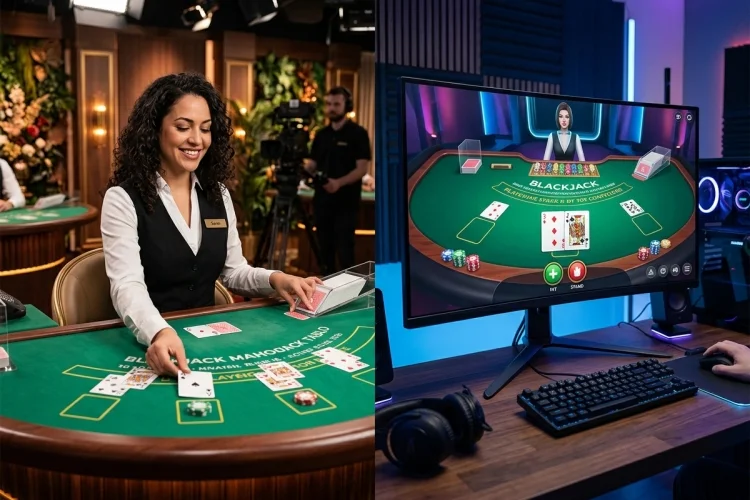
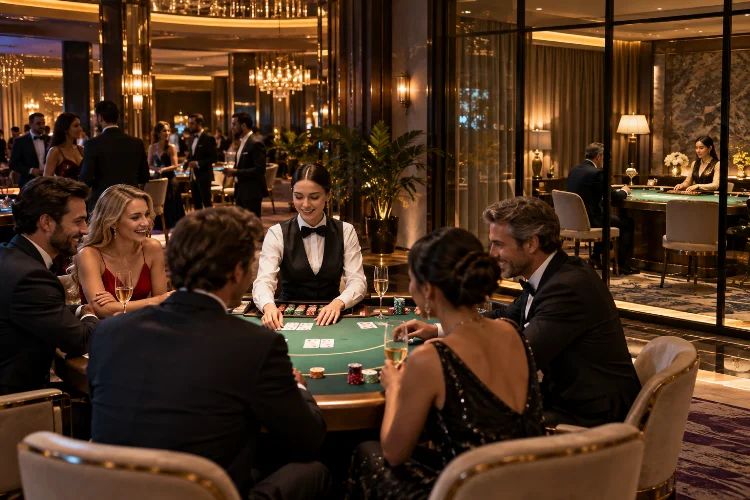
The word “private” can make a live casino table sound like a digital version of a velvet-rope room in Las Vegas.
Sometimes that comparison is fairly accurate. Other times, a so-called private table is simply a dedicated studio available exclusively to customers of one casino brand.
That distinction matters when comparing Public Tables vs Private Live Casino Tables. Both can use real dealers, physical cards, roulette wheels, and live video streams.
What changes is often the audience, branding, betting range, language, or service level – not the fundamental mathematics of the game.
Public Tables Are Built for Shared Audiences
A public or generic live table is designed to serve a broad pool of eligible players.
The underlying provider may supply the same table feed to several licensed casino operators.
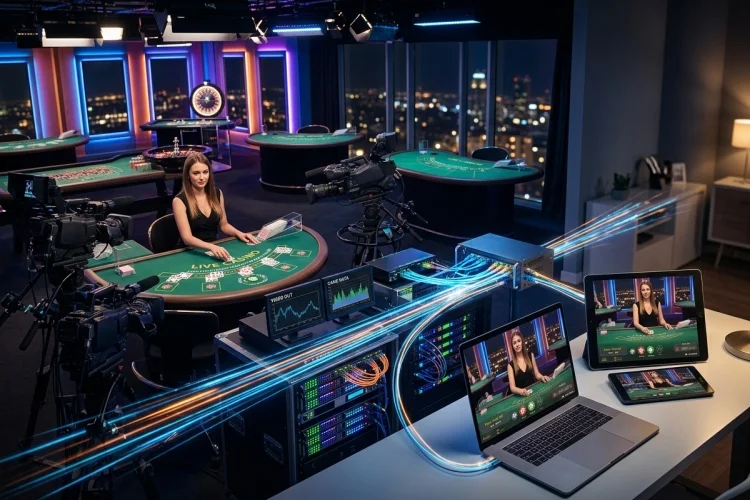
This model makes sense commercially because operating live casino studios requires dealers, supervisors, cameras, equipment, streaming systems, and physical studio space.
Sharing tables allows providers to operate these resources at scale.
Evolution describes its studio network as serving licensed operators globally, and its earlier financial reporting distinguishes generic shared tables from dedicated environments reserved for individual operators.
For players, this usually translates into straightforward access and plenty of choice.
Dedicated Tables Are Often Operator-Exclusive
One common type of private table is the dedicated table.
Instead of being a generic feed used across several casino brands, the environment is reserved for customers of one operator.
Evolution’s dedicated-table model allows casinos to customise studio environments, graphics, brand elements, languages, and other details.
Playtech also develops branded live casino studios for operators.
Its partnership with evoke, for example, produced dedicated environments containing branded blackjack and roulette tables for casino brands within that group.
This exclusivity is mainly about distribution and presentation.
It does not necessarily mean only a handful of players can participate at once.
A Private Table Is Not Always a Personal Table
This misconception is worth clearing up.
Joining a private live table normally does not mean the dealer is sitting there only for you.
Hundreds of customers from the eligible casino or VIP group may still be able to access the same roulette round, depending on the game’s technology.
“Private” may simply mean outsiders using other casino brands cannot join that particular table.
Some products narrow access further through VIP lobbies or special customer segments.
Evolution’s history includes dedicated VIP environments such as its earlier Salle Privée products, illustrating how providers can separate premium live casino experiences from standard shared tables.
Always check how your operator actually uses the term.
There is no single universal definition across every casino.
Why Casinos Pay for Dedicated Tables
Creating a private environment costs more than simply taking a feed from a generic table.
So why would an operator bother?
Brand differentiation is one reason.
If many casinos offer the same roulette and blackjack products, a customised studio gives one operator a visually distinctive experience.
Language is another factor.
A casino serving a specific market may want native-speaking presenters and culturally familiar surroundings. Evolution has built dedicated environments with localised dealers for operators in markets such as the Netherlands.
Playtech similarly describes extensive investment in bespoke studio spaces and partnership-led products.
For operators, private tables are therefore partly a customer-experience and retention tool.
VIP Tables May Use Different Betting Ranges
One of the most visible differences can be the table limit.
VIP-oriented private rooms are often associated with higher minimum and maximum wagers.
A standard public blackjack table might be suitable for relatively small stakes, while a premium table could require a much larger opening bet.
However, this pattern is not guaranteed.
Dedicated tables can be created for mass-market customers as well as VIPs. Some operator-exclusive roulette or blackjack games use perfectly ordinary stakes.
So the label is less useful than the actual numbers displayed in the lobby.
Check the minimum before joining and make sure it fits a predefined entertainment budget.
Do not raise your normal stake simply to qualify for an exclusive-looking room. That is an unneccesary way to increase financial exposure.
Does a Smaller Audience Change the Game?
Usually not in the way beginners sometimes imagine.
Roulette outcomes are determined by the physical wheel and ball. Baccarat follows its dealing rules, while blackjack uses cards and defined player/dealer actions.
The number of online viewers does not make red more likely to appear or improve the next blackjack hand.
A private setting may change atmosphere and interaction, but not randomness by itself.
Applicable UK remote gaming standards require operators to give customers information explaining how games work and how winning outcomes are determined.
This is far more important than how many other usernames appear in the chat.
Judge the actual rules rather than the size of the audience.
Dealer Interaction May Feel More Personal
A smaller or more targeted audience can create a different social experience.
Public tables serving players from multiple sources can feel busy. Chat messages may arrive rapidly, and the presenter cannot meaningfully interact with everyone.
A dedicated environment can be designed around one brand or language group, making the experience feel more coherent.
Providers even train presenters around operator brands and different player audiences. Evolution says customised live feeds can include branded tables and staff prepared to represent the operator’s identity.
That can make private rooms feel more personal.
But remember that the dealer’s friendliness is entertainment, not a gameplay advantage.
No amount of interaction changes the house edge.
Game Selection Can Be Broader on Public Tables
Public studio networks often have an advantage in sheer variety.
A provider can offer many roulette, baccarat, blackjack, poker, and game-show tables across one large shared environment.
Dedicated areas are usually narrower because each customised table requires extra operational resources.
A private casino room might therefore contain several carefully branded blackjack and roulette tables while the generic lobby provides dozens of alternatives.
Playtech currently describes a wide live portfolio spanning traditional card games, table games, branded entertainment, and customised operator content.
Neither approach is objectively superior.
Someone who enjoys exploring many game types may prefer the public lobby, while another player may value a smaller branded selection.
Private Tables Can Still Have Busy Periods
Exclusive access does not guarantee an empty table.
If a dedicated blackjack table is popular with one large operator’s customer base, its betting positions can still become occupied.
Roulette and baccarat often scale more easily because many remote players can wager on the same physical round.
Operating hours also matter.
A public network can distribute players across several available tables, while an operator-specific room may have fewer alternatives when one closes.
Some dedicated arrangements operate around the clock, while others follow limited schedules.
So if table availability is important, check the live lobby at the times you normally play rather than assuming private access means permanent availability.
Privacy Is Mostly About Access, Not Anonymity
The term “private” can also create the wrong impression about data privacy.
A private live table still operates through an online gambling account.
The casino may still process account information, wagering records, transactions, and compliance data according to applicable law and its policies.
Private therefore means restricted table access, not anonymous gambling.
The same is true of chat.
Even in a smaller VIP environment, players should avoid posting personal information in a live chat box.
Treat the room as a controlled online gaming environment rather than a confidential conversation with the dealer.
This distinction is easy to overlook because the word private sounds more protective than it actually is.
Personal Limits Matter More Than Table Status
Whether a table is public or exclusive, the financial risk comes from the wager.
A VIP label does not make larger stakes safer.
Current UK standards require remote operators to provide accessible facilities for customers to set their own financial limits.
Those personal controls can be more meaningful than the casino’s table classification.
If your chosen spending limit comfortably fits a public table but not a private one, the public table is the more sensible match.
Exclusivity should never become a reason to exceed an established budget.
A premium studio is still a casino game with uncertain outcomes.
Which Option Should You Choose?
Public tables are generally attractive when variety, low barriers to entry, and flexible table selection matter most.
Private or dedicated tables may be more interesting when you value local-language dealers, operator-specific branding, VIP service, or a more focused atmosphere.
Neither format deserves an automatic preference.
Compare the actual game rules, minimum wager, maximum wager, available hours, stream quality, and operator licensing.
The fanciest studio can still be a poor choice if its minimum stake is too high or its game rules do not suit you.
Practical details matter more than exclusivty.
Public Tables vs Private Live Casino Tables comes down mainly to who can access the table and how the experience is presented.
Dedicated tables can offer exclusive branding, languages, VIP environments, and different stake ranges, while public tables often provide easier access and greater variety.
Check the actual rules and limits before choosing either format, and keep your stake within a predetermined budget regardless of how premium the room appears.